
Beginning with Rustic charm kitchen inspiration, the narrative unfolds in a compelling and distinctive manner, drawing readers into a story that promises to be both engaging and uniquely memorable.
When it comes to creating a warm and inviting kitchen space, nothing quite compares to the timeless allure of rustic charm. From the rich textures to the earthy color palettes, exploring the elements that make up this design aesthetic can truly transform your kitchen into a cozy haven.
RUSTIC CHARM
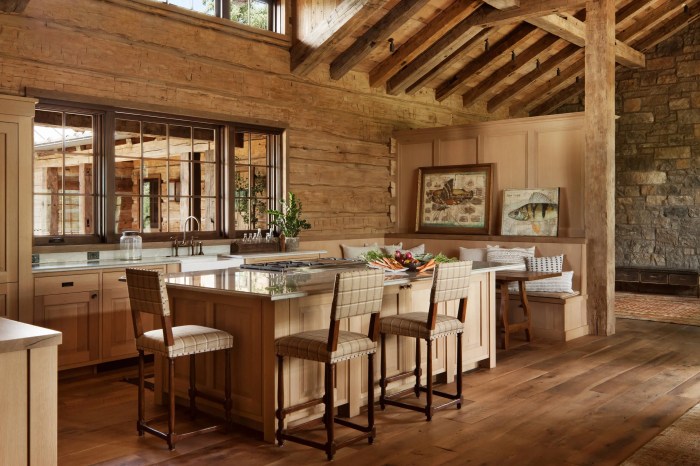
Rustic charm in interior design embodies a cozy, natural, and aged aesthetic that exudes warmth and comfort. It often incorporates elements like natural wood, stone, earthy colors, and vintage pieces to create a welcoming and nostalgic atmosphere.
Adding rustic charm to a space can bring a sense of character and history, making it feel more inviting and lived-in. The imperfections and weathered look of rustic elements add a sense of authenticity and uniqueness to the design.
Elements Contributing to Rustic Charm
- Reclaimed wood: Using reclaimed or distressed wood for furniture, flooring, or accent pieces adds a sense of history and texture to a space.
- Exposed beams: Exposing wooden beams on ceilings can create a rustic, cozy ambiance and add architectural interest.
- Earthy color palette: Warm, earthy tones like browns, greens, and terracotta help create a rustic feel and connect the space to nature.
- Vintage accessories: Incorporating vintage items like old signs, lanterns, or farmhouse decor pieces can add charm and personality to the design.
Incorporating Rustic Charm into Different Styles
Rustic charm can be seamlessly integrated into various design styles to add a touch of warmth and character. Whether it’s blending rustic elements with modern, industrial, or traditional styles, the key is to balance and harmonize the elements to create a cohesive look.
KITCHEN LAYOUT
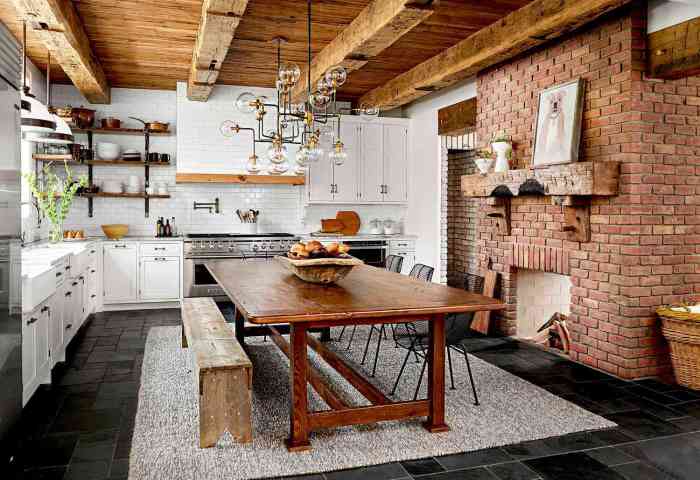
When it comes to creating a rustic-inspired kitchen, the layout plays a crucial role in achieving the perfect balance between functionality and aesthetics. Here, we will explore optimal kitchen layouts that complement rustic charm, ways to maximize space, tips for balancing functionality and aesthetics, and how to create a cozy atmosphere in a rustic kitchen layout.
Optimal Kitchen Layouts for Rustic Charm
Creating a cozy and inviting atmosphere is key when designing a rustic kitchen layout. Opt for an open layout that allows for easy flow between the cooking, dining, and living areas. Consider incorporating a central island or farmhouse table as a focal point where family and guests can gather.
Maximizing Space in a Rustic Kitchen
- Utilize open shelving to display rustic dishware and decorative items while keeping the space visually open.
- Choose multi-functional furniture pieces such as kitchen islands with storage or butcher block countertops that can double as a workspace.
- Install hanging pot racks or hooks to free up cabinet space and add a touch of rustic charm.
Balancing Functionality and Aesthetics
When designing a rustic kitchen, it’s important to strike a balance between functionality and aesthetics. Opt for durable materials like reclaimed wood, stone, and metal that not only add to the rustic appeal but also stand the test of time. Incorporate modern appliances with a vintage look to maintain the rustic charm while ensuring convenience.
Creating a Cozy Atmosphere
- Warm up the space with earthy tones, cozy textiles, and soft lighting to create a welcoming ambiance.
- Add personal touches such as family heirlooms, vintage kitchenware, and fresh herbs to infuse the space with character and warmth.
- Consider incorporating a fireplace or wood-burning stove to further enhance the cozy atmosphere and add a touch of rustic elegance.
MATERIALS AND FINISHES
In rustic charm kitchens, the choice of materials and finishes plays a crucial role in creating the desired aesthetic. Common materials include wood, stone, and metal, each offering unique characteristics that contribute to the rustic look.
Wood
Wood is a classic choice for rustic kitchens, providing warmth and natural beauty. It can be used for cabinets, countertops, flooring, and ceiling beams. Wood finishes range from light to dark, with distressed or reclaimed wood adding to the rustic appeal.
Stone
Stone, such as granite or soapstone, adds a rugged and earthy element to rustic kitchens. It is often used for countertops, backsplashes, and flooring. Stone finishes can vary in texture and color, enhancing the rustic charm of the space.
Metal
Metal finishes, such as wrought iron or copper, bring an industrial touch to rustic kitchens. They can be incorporated through hardware, light fixtures, range hoods, and accents. Metal finishes add contrast and depth to the overall design.
Importance of Texture
Texture plays a key role in choosing materials for a rustic kitchen. Rough and weathered textures, like distressed wood or rough stone, create a sense of age and history. Mixing textures adds visual interest and authenticity to the space, enhancing its rustic charm.
Mix and Match Materials
To achieve a cohesive rustic charm, it is important to mix and match materials thoughtfully. For example, combining wood cabinets with a stone countertop and metal hardware can create a harmonious balance of textures. Consider the color, finish, and scale of each material to ensure they complement each other seamlessly.
COLOR PALETTE
When it comes to creating a rustic charm kitchen, the color palette plays a crucial role in setting the tone and enhancing the overall aesthetic. Earthy tones are the go-to choice for achieving a warm and inviting atmosphere in a rustic kitchen.
Earthy Tones for Rustic Feel
Earth tones such as browns, beiges, greens, and muted yellows are perfect for creating a rustic feel in the kitchen. These colors evoke a sense of nature and warmth, bringing a cozy and welcoming vibe to the space.
Incorporating Pops of Color
While earthy tones dominate a rustic kitchen, incorporating pops of color can add visual interest and personality to the design. Consider adding touches of deep reds, blues, or even a splash of vibrant orange to liven up the space without overpowering the rustic charm.
Role of Color in Rustic Aesthetic
Color plays a crucial role in creating a harmonious rustic charm aesthetic by tying together the different elements of the kitchen design. It helps to create a cohesive look and feel, balancing the natural textures and materials typically found in a rustic kitchen.
As we conclude our journey through the realm of Rustic charm kitchen inspiration, it becomes evident that infusing your kitchen with rustic charm is not just about style, but also about creating a welcoming atmosphere that exudes comfort and elegance. By carefully integrating elements of texture, color, and layout, you can craft a kitchen that not only reflects your personal taste but also radiates a timeless appeal that never goes out of fashion.
Questions Often Asked
How can I incorporate rustic charm into a modern kitchen design?
To blend rustic charm with modern aesthetics, consider incorporating elements like reclaimed wood accents, industrial lighting fixtures, and a neutral color palette with pops of earthy tones.
What are some ways to add a touch of rustic charm to a small kitchen space?
You can maximize rustic charm in a small kitchen by utilizing open shelving to showcase rustic dinnerware, opting for distressed finishes on cabinets, and adding a statement piece like a vintage farmhouse sink.
Is it possible to achieve a rustic charm kitchen on a budget?
Absolutely! You can create a rustic charm kitchen on a budget by DIY-ing elements like open shelving using reclaimed wood, shopping second-hand for vintage kitchen accessories, and focusing on simple yet impactful design details.

:max_bytes(150000):strip_icc()/kitchen-wooden-table-brick-fireplace-cca2963b-abbfa58cb0274c82bb216e660219958f.jpg?w=700)


